The Challenges of Vegan Leather
Awareness of animal cruelty and climate change is steadily increasing. People are becoming more conscious of these issues and their impact on humanity. However, we must ask ourselves: are we truly hearing the facts, or are we merely absorbing the messages crafted by influential brands and their well-paid marketing teams?
Earlier this year, the Australian Fashion Council took a significant step by banning the use of fur, wild animal skins, and wild feathers at Australian Fashion Week, following the lead of Copenhagen, London, and Melbourne fashion weeks.
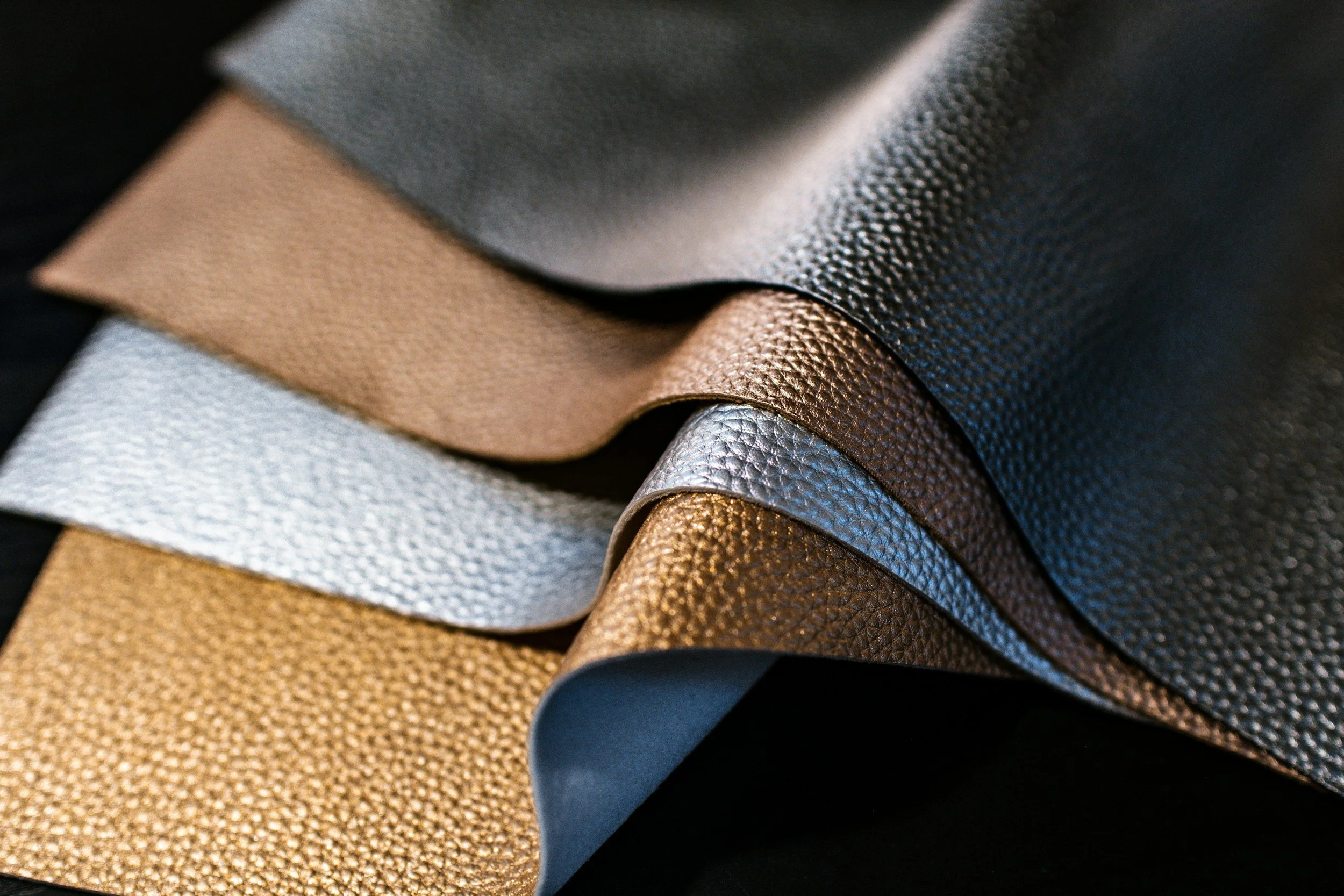
@kellysikkema
While this is a remarkable advancement for animal rights, it has sparked discussions regarding leather and vegan leather.
To clarify, this ban specifically targets wild animal skins and does not extend to leather derived from the vast meat industry. For context, Australia ranks as one of the world's largest beef consumers, sitting third behind Argentina and the United States. In 2023, the average beef consumption was 23.4 kg per person—approximately 460 g per person per week. With a population of 26.66 million, and an average yield of 305 kg of meat per animal, this translates to a significant number of cattle raised. Consequently, many cow hides may end up in landfills, prompting the debate over what is more ethical and environmentally friendly. Let’s delve deeper into this discussion.
Brand TÔMTEX has introduced two innovative products made to replicate leather, to address climate change, waste, and animal cruelty: the vegan TÔMTEX SERIES M, made from chitosan derived from mushrooms, and the non-vegan TÔMTEX SERIES WS, made from shrimp and crab shells.
Most vegan leathers on the market are plastic-based, often made from PU or PVC, which are less durable and can disintegrate into harmful microplastics. They have health risks, including endocrine disruptors that may affect fertility.
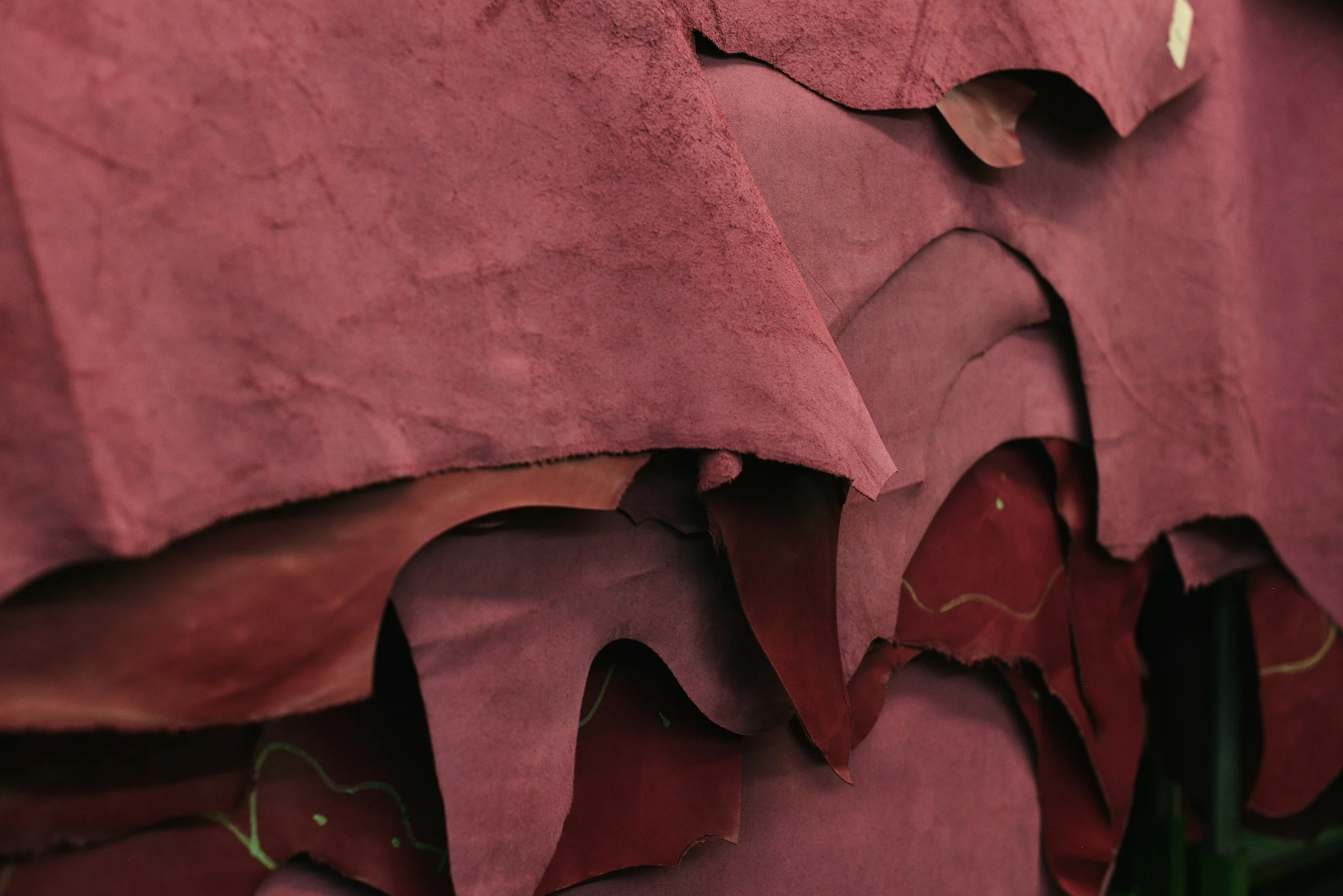
@m0851
H&M released a document in their efforts to reduce the use of DMFa (Dimethylformamide), a solvent used in producing synthetic vegan leather, which poses health risks to factory workers and contributes to environmental pollution. It can cause liver damage and is toxic to reproduction.
It's crucial to research products rather than rely solely on marketing or influencers. While brands like Stella McCartney promote cruelty-free options like MIRUM®, there are still issues, as current mushroom leathers may not be entirely plastic-free, as suggested. Interestingly, in this instance, the manufacturer's website for the mushroom leather, Bolt Threads, states that while they aim to be plastic-free in the future, they are not currently plastic-free.
The two most prevalent methods of tanning leather are chromium and vegetable tanning. Chromium tanning employs chemicals that swiftly penetrate the animal's skin, but this process generates chromium waste, polluting waterways and posing health risks to tannery workers.
In contrast, vegetable tanning—like the method utilised by Stirling & Truffles—utilises water and tree tannins from bark, making it far gentler on the environment.
Leather can last over 10 years, depending on its care; in fact, I possess items that have been passed down to me and are over 60 years old.
To put it simply, in Australia, as long as meat consumption continues, there will always be byproducts that are either burned, discarded, or repurposed.
The critical question is: if you decide to purchase leather, how can you ensure that it has been ethically sourced? The leather must come from animals that were humanely slaughtered for human consumption rather than being killed solely for their skin.
This is information that the retailer should freely provide.
Personally, I do not eat meat; I was raised on a beef farm, and my family still struggles to accept my choice. While I often embrace veganism and participate in cleansing diets, we must realistically evaluate our options: should we utilise materials that will last for decades and potentially avoid landfills, or should we create products from fossil fuels that contribute to climate change and have a shorter lifespan?
This topic is one I am deeply passionate about. Those who know me know that I am one of the biggest animal lovers of all kinds that you'll encounter. Despite my decision not to eat meat, I run a business that uses leather. Why? Because while I do not believe in eating meat, I believe that if an animal is to be killed, every part of that animal should be honoured and used, rather than contributing to the global environmental plastic problem.
For more on decoding the leathers, visit Stirling & Truffles